
Epic Adventure: 3-Day Trekking Rinjani
Day 1: Sembalun to Base Camp
The first day of your epic adventure on Mount Rinjani begins in the tranquil village of Sembalun. As you arrive, the registration process takes place at the Rinjani National Park office. This step is essential as it allows hikers to gain the necessary permits and pay any associated fees, ensuring that all trekking activities comply with local regulations. It is crucial to complete this formalities early, allowing ample time for the actual trek.
Once registered, the trek kicks off with a well-marked trail leading you through stunning rice fields and patches of lush greenery. The ascent will steadily gain elevation, offering breathtaking views of the surrounding landscape. As you hike, the diverse flora and fauna of the region come into play. Expect to encounter vibrant wildflowers, towering trees, and possibly a glimpse of local wildlife such as monkeys or various bird species flitting through the treetops.
Physical preparation is vital for this trek. Participants should ensure they are in good physical condition to tackle the initial climb, which can be demanding. Staying hydrated is essential; trekkers are advised to carry enough water to maintain their energy levels throughout the day. Regular breaks will allow for water replenishment and some moments to absorb the scenic views while resting.
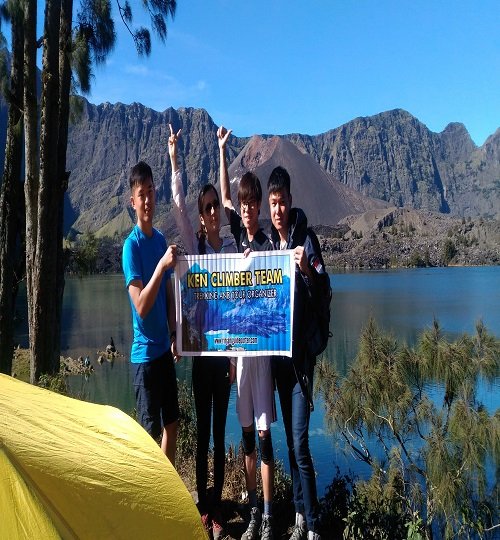
Along the way, there are notable landmarks and rest points that enhance the experience. For instance, the Sembalun Crater viewpoint offers a rewarding vista, while the pos area known as “Puncak Tanjakan” serves as a perfect spot to refuel before continuing your journey. After several hours of hiking, the first-day trek concludes at the Base Camp at Sembalun Crater, where trekkers will set up camp for a well-deserved night’s rest under the stars, preparing for the adventures that lie ahead.
Day 2: Summit Attack and Segara Anak Exploration
The second day of the Mount Rinjani trek begins before dawn, with trekkers rising at around 2:00 AM to embark on the much-anticipated summit attack. As the first light breaks, the anticipation builds, and hikers prepare for the challenging ascent to the peak of Rinjani. With the summit at an elevation of 3,726 meters, the climb requires not only physical endurance but also mental fortitude, as participants navigate rugged terrain, rocky paths, and occasionally steep inclines. The early hours, steeped in cool mountain air, infuse a sense of excitement and camaraderie among the group.
Throughout the trek, challenges abound; the altitude can make the ascent taxing, and the terrain varies significantly, demanding attention and effort. Trekkers must remain cautious of their footing, especially in darker hours, to avoid injury. However, the breathtaking views that greet climbers at the summit, approximately three to four hours after departure, make the struggle worthwhile. Standing on the peak, trekkers are often rewarded with panoramic vistas that showcase the sprawling landscapes of Lombok and Sumbawa islands, along with an unparalleled view of the crater and Segara Anak Lake below.
After savoring the incredible sights, climbers begin their descent towards Segara Anak Lake, a journey of about two hours. This descent allows for a reflective experience, as the stunning emerald waters of the lake become increasingly visible. Segara Anak, meaning “child of the sea,” holds both ecological and cultural importance, serving as a revered site for the local Sasak people. Upon reaching the lake, trekkers can indulge in various recreational activities, such as swimming in the refreshing waters or basking in the nearby geothermal hot springs. It is an enriching experience that fosters a deeper connection to the natural beauty and cultural heritage of the region.
Day 3: Descent to Senaru Village and Hot Springs
The final day of the epic trek on Mount Rinjani begins with an early rise, as trekkers prepare for the descent from the stunning Segara Anak Lake. The trail leading back to Senaru Village offers varying terrains and unparalleled views, making it an invigorating journey. As the descent progresses, trekkers can enjoy the diverse landscapes and agricultural scenes that characterize this part of Lombok. The lush greenery juxtaposed with the rugged mountain terrain creates a picturesque setting that reflects the island’s natural beauty.
One of the key routes on this descent takes travelers past various viewpoints where they might pause to capture breathtaking panoramas. It is common for hikers to encounter local wildlife and flora, providing a unique opportunity to appreciate the biodiversity within the Mount Rinjani National Park. Notable landmarks along the trail include the vibrant plantations cultivated by the local communities, allowing trekkers to observe traditional agricultural practices up close.
A highlight of Day 3 is the anticipated visit to the natural hot springs located near Senaru Village. After several days of rigorous trekking, soaking in the thermal waters is not only a delightful reprieve but also serves various health benefits. The mineral-rich waters are known for their soothing properties, aiding in muscle recovery and relaxation. As trekkers unwind in the hot springs, they can reflect on their journey and celebrate their accomplishments in conquering Mount Rinjani.
In preparation for the return to Senaru, trekkers should ensure they have appropriate gear, ample water supply, and snacks for energy. It’s advisable to wear comfortable footwear suitable for descending as the trails can be steep and slippery. This culminating experience encapsulates the adventure through both physical challenge and natural rejuvenation, marking the end of a rewarding trek.
Essential Tips and Recommendations for Trekking Mount Rinjani
Trekking Mount Rinjani is a remarkable experience that requires careful planning and preparation. To embark on this epic adventure, it is crucial to choose the right time to visit. The best seasons for trekking are typically during the dry months of April to November. During this period, the weather is generally stable, and the trails are more accessible. However, visiting during the shoulder months of March or December can provide fewer crowds while still offering decent weather conditions.
When it comes to equipment and gear, trekkers should prioritize comfort and functionality. Essential items include a sturdy pair of trekking boots, waterproof clothing, layers to manage temperature fluctuations, and a reliable backpack. Additionally, first aid kits, personal hygiene items, lightweight cooking gear, and adequate food and water supplies are critical for a successful trek. Depending on the season, it’s wise to carry extra provisions to account for any unexpected delays or challenges.
Physical fitness is also a key aspect of preparing for this strenuous journey. Trekkers should engage in regular cardiovascular and strength training exercises leading up to their trek. Practicing on varied terrains will further equip individuals for the diverse conditions encountered on the mountain. Moreover, hiring a local guide is highly recommended, as they possess invaluable insight into the terrain, weather patterns, and safety protocols. Local guides can enrich the trekking experience with their knowledge of the region and its cultural significance.
To ensure safety during the trek, it is vital to stay hydrated, pace yourself, and be vigilant about trail conditions. Following Leave No Trace principles is fundamental to preserving the natural beauty of Mount Rinjani for future trekkers. This encompasses respecting wildlife, minimizing waste, and sticking to established trails. By adhering to these guidelines and preparing adequately, trekkers can enhance their experience while ensuring their adventure on Mount Rinjani is both enjoyable and responsible.